ByJohn A
What to Consider When Choosing Fixed Rooflight Windows for Sale
Fixed rooflight windows provide a straightforward way to introduce natural light into a building without adding an opening mechanism. They can be used in extensions, kitchens, bathrooms, offices, commercial buildings, corridors, and other areas where daylight is needed but ventilation through the roof is not required.
Choosing the right product involves more than comparing dimensions and prices. Roof construction, glazing, thermal performance, installation details, positioning, and maintenance all affect the suitability of a rooflight. Homeowners comparing fixed rooflight windows for sale can also consider the available sizes, glazing options, and design requirements before making a decision.
Start With the Purpose of the Room
The intended use of the room should guide the selection.
A kitchen may need strong daylight but also benefit from ventilation elsewhere in the room. A hallway may simply need additional illumination. A bedroom may require careful consideration of heat and glare.
A fixed rooflight is generally suited to spaces where the main requirement is daylight rather than direct roof-level ventilation.
Understanding this distinction helps narrow down the available products before looking at aesthetic details.
Measure the Available Roof Space
The dimensions of the roof opening need to be established before selecting a rooflight. The available space may be restricted by structural joists, beams, services, insulation, or other roof elements.
The rooflight’s overall dimensions should not be confused with the actual glazed area. Different products may have different frame and upstand arrangements, affecting how much visible glass is provided.
For a replacement project, the existing opening should be measured carefully rather than relying on assumptions based on the old unit.
Consider the Roof Construction
Flat roofs, pitched roofs, extensions, and different roofing systems require different installation approaches.
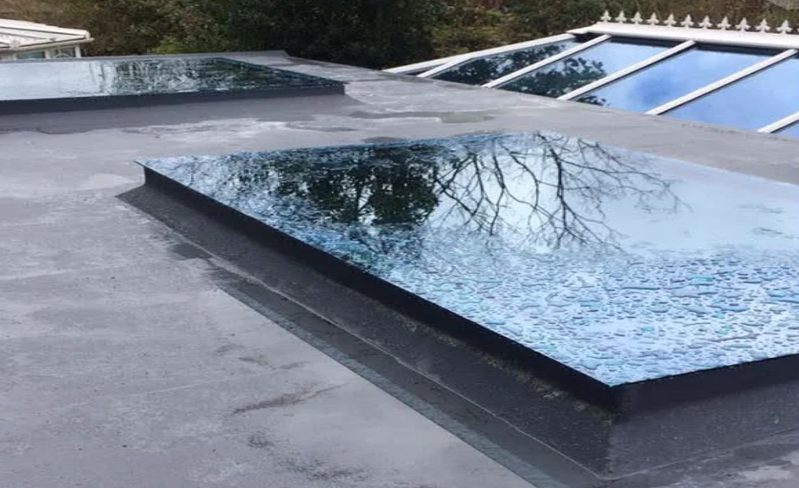
A flat rooflight may require an appropriate upstand or kerb to create a secure and weather-resistant junction. The roof covering must also connect correctly to the installation detail.
The existing roof build-up should be reviewed before ordering. Insulation depth, membrane type, roof deck, and structural support can all affect compatibility.
Compare Glazing Performance
Glazing is one of the most significant parts of a rooflight. The specification can affect daylight, heat gain, heat loss, acoustic performance, and safety.
Double glazing may be suitable for many residential applications, while other projects may require different configurations.
The desired level of daylight should also be considered alongside solar exposure. A highly transparent unit can provide strong natural illumination but may require additional measures to control heat or glare.
Check Thermal Performance
Rooflights form part of the building envelope, so their thermal performance matters.
A poorly specified rooflight can contribute to heat loss during colder periods and overheating during warmer weather. The frame, glazing, and surrounding installation detail all contribute to the overall performance.
Look for clear technical information rather than relying only on general descriptions. U-values, glazing specifications, and relevant performance data can help with product comparison.
Think About Solar Exposure
The position of the rooflight influences how much direct sunlight enters the room.
A south-facing rooflight may receive strong sunlight for much of the day, while a north-facing installation may provide more consistent but less intense daylight, depending on location and surroundings.
Nearby buildings, trees, roof structures, and shading can change the actual conditions.
The room’s use should be considered alongside orientation. A rooflight above a workspace may need different solar-control considerations from one above a circulation area.
Decide Whether Ventilation Is Required
A fixed rooflight cannot be opened, so it should be selected for areas where roof-level ventilation is not necessary.
If the room produces significant heat or moisture, another ventilation method should be provided. This could involve wall windows, mechanical extraction, air vents, or an opening rooflight elsewhere.
Bathrooms and kitchens deserve particular attention because moisture and heat can accumulate quickly.
Examine Safety Requirements
Roof glazing must be appropriate for its location and intended use. Safety requirements can vary depending on the building, roof arrangement, accessibility, and position of the glazing.
The glass specification should be suitable for overhead installation, and the installation should follow applicable building requirements.
For areas where people may access the roof, additional considerations may apply.
Look at Maintenance Requirements
A fixed rooflight has fewer moving components than an opening model, but it still requires maintenance.
Rain, dust, leaves, bird deposits, and environmental pollution can affect the exterior surface over time. Access for cleaning should therefore be considered before installation.
The surrounding roof drainage should also remain clear. Water should not be allowed to collect around the rooflight.
Check Compatibility With the Roof Finish
Rooflights need to work with the existing roofing material. Flat roofs may use membranes, felt, liquid-applied systems, or other coverings, while pitched roofs can involve tiles, slates, metal, or other materials.
The rooflight installation should provide a suitable weatherproof junction with the roof covering.
Compatibility should be confirmed before purchasing, particularly for replacement projects.
Compare Frame and Profile Options
The frame affects both appearance and performance.
A low-profile design can create a cleaner external appearance, while a more substantial frame may be appropriate where structural or installation requirements demand it.
From inside the room, the frame influences how much of the ceiling opening is visible. Slimmer framing can provide a larger apparent glass area, although technical performance and structural requirements should remain the priority.
Check Product Documentation
Before buying fixed rooflight windows for sale, review the technical documentation supplied by the manufacturer or seller.
Useful information may include dimensions, glazing composition, thermal values, installation requirements, roof compatibility, weight, maintenance guidance, and warranty details.
Clear technical information makes it easier to compare products based on actual requirements rather than appearance alone.
See also: Managing Policyholder Support When Severe Weather Disrupts Claims Assessments
Think About Installation Before Ordering
A rooflight is only as effective as its installation. The opening needs to be structurally sound, properly insulated, weatherproofed, and integrated with the surrounding roof.
Incorrect installation can result in leaks, condensation, thermal bridging, or damage to the roof covering.
For complex projects, professional advice can help determine the correct opening size and installation method before the product is ordered.
Fixed rooflight windows can provide dependable daylight without the additional mechanisms required for opening units. The right choice depends on the building’s roof structure, room function, glazing requirements, thermal performance, solar exposure, and installation conditions. Taking time to check these details before purchasing can reduce compatibility problems and help ensure the rooflight performs properly after installation.