
Setting Up a Home Keyboard Station: Stands, Stickers, and Smart Features

Setting up a music station at home is one of the most exciting steps in learning an instrument. However, simply unboxing a digital piano and placing it on a nearby table rarely creates an ideal learning environment. If your setup…
ByJohn A
Breaking Language Barriers: AI Translation from Indonesian to English

Type “Bahasa Indonesia” into an old-school dictionary and you’ll get a clean, textbook version of the language — the kind taught in classrooms and printed on government forms. But land in Jakarta, open a WhatsApp chat, or scroll through Indonesian…
AI and Cybersecurity in 2026: How Machine Learning Is Changing the Threat Landscape for Business
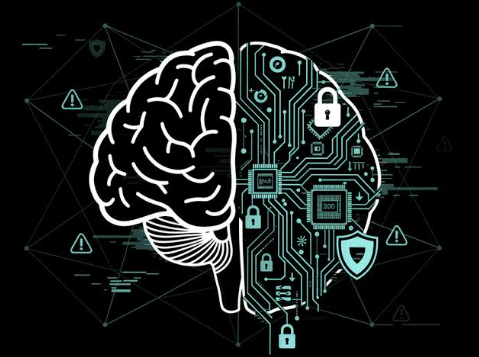
For several years, discussion of AI in cybersecurity was largely speculative. That period has ended. The 2026 reporting cycle produced measurements rather than predictions, and they point in two directions at once. What Attackers Gained IBM’s Cost of a Data…
How Blockchain Technology Is Improving Cyber Defense

Blockchain offers a tamper-evident ledger for incident data, asset inventories, and event timelines, enabling verifiable logs and auditable decisions. It supports identity governance and automated response, reducing friction during containment and reconstruction. Real-world use cases—threat intel sharing, supply chain transparency,…
How Blockchain Technology Is Changing Real Estate

Blockchain is reshaping real estate by enabling transparent registries, immutable ownership records, and faster settlements. Tokenization opens new forms of participation, while smart contracts automate deals, titles, and mortgages with verifiable provenance. Real-world pilots show potential in deals, governance, and…
The Future of Artificial Intelligence in Smart Devices

AI in smart devices is trending toward context-aware, on-device intelligence that preserves privacy while enabling seamless, multimodal understanding. This shift demands robust governance, data minimization, and auditable defaults to maintain trust across ecosystems. Energy efficiency and specialized hardware will push…
The Benefits of Using Cloud-Based Applications

Online collaboration tools centralize communication, document sharing, and task management, enabling continuous visibility into progress and ownership. They support asynchronous workflows across time zones, reduce handoffs, and accelerate feedback, improving decision quality and throughput. Data-driven implementations focus on security, adoption,…