ByJohn A
Electric Vehicle Charging Options With Airport Parking SFO
Electric vehicles have changed the way many travelers think about airport parking. For drivers with an EV, choosing a parking facility is not only about finding an available space or comparing daily rates. Charging availability can also influence where you decide to leave your vehicle while traveling.
When planning airport parking SFO, EV drivers may want to consider whether charging stations are available, how long the vehicle will be parked, and what charging options are provided by the parking facility. A longer trip can even provide an opportunity to return to a vehicle with a higher battery level than when you left.
However, charging availability and policies can vary between parking facilities. Understanding the options before your trip can help you make a more informed parking decision.
Why EV Charging Matters When Parking at SFO
An electric vehicle can remain parked for several days while you travel. Depending on your battery level and driving plans after returning, having access to a charger may be useful.
For example, you might arrive at the airport with enough battery for your trip home but prefer to recharge while your vehicle is parked. Alternatively, you may be returning to SFO and need enough range to reach another destination without stopping at a public charging station immediately.
Longer Trips Can Create More Charging Opportunities
A multi-day parking stay gives an EV more time to charge if a suitable charging station is available.
Instead of making a separate charging stop after returning from your trip, you may be able to charge the vehicle during your parking period. This can be particularly convenient when you have a long drive planned after leaving the airport.
Battery Level Still Matters
Even when charging is available, it is useful to think about your battery level before arriving.
If your EV has a low battery and you are depending on airport parking to recharge it, confirm that the facility actually offers charging and understand how the charging process works.
Do not assume that every airport parking facility provides EV charging.
Types of EV Charging You May Encounter
Charging infrastructure can differ significantly between locations. EV drivers may encounter different types of chargers depending on the parking facility.
Level 1 Charging
Level 1 charging uses a standard electrical outlet and generally provides a slower charging rate.
This type of charging may not be practical when you need to add a large amount of range quickly. However, when a vehicle is parked for an extended period, even slower charging can potentially add useful energy.
Level 2 Charging
Level 2 chargers are commonly used in parking facilities, workplaces, hotels, and other locations where vehicles remain parked for several hours.
They generally provide faster charging than a standard household outlet, making them more suitable for an extended airport parking stay.
The actual charging speed depends on the charger, vehicle, battery, and other factors.
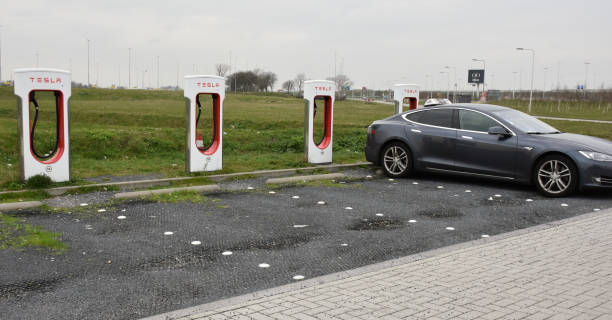
DC Fast Charging
DC fast chargers can add substantial range in a shorter period than Level 1 or Level 2 charging.
However, fast charging is generally more associated with dedicated charging locations than traditional long-term parking areas. Travelers should verify whether this type of charging is offered at their selected parking facility rather than expecting it to be available.
Airport Parking SFO and EV Charging Availability
When comparing airport parking SFO options, EV drivers should look beyond the standard parking details.
A facility may offer outdoor self-parking and airport shuttle service but have no charging stations. Another facility may provide charging as an additional amenity.
This means EV charging should be treated as a separate feature to verify during the booking process.
Check the Facility Details Before Booking
Look carefully at the parking information for details about EV charging.
Important questions include:
- Are EV charging stations available?
- How many chargers are provided?
- Are chargers available to all customers?
- Is charging included in the parking rate?
- Is there an additional charging fee?
- Can chargers be reserved?
- Are charging stations available 24 hours?
- What happens if all chargers are occupied?
Getting answers to these questions before your trip can prevent surprises after you arrive.
How Long Should You Leave Your EV Connected?
The ideal charging time depends on your vehicle’s battery level, charger type, and travel plans.
If your EV is already sufficiently charged, there may be little reason to prioritize a charger during a short parking stay.
For longer trips, however, charging can become more useful.
Short Parking Stays
If you are parking for only a few hours, the amount of energy added may be limited depending on the charger.
In this situation, charging availability may be less important than location and convenience.
Multi-Day Parking
A multi-day parking reservation provides significantly more time for charging. If the facility permits extended charging, your EV may have enough time to gain a meaningful amount of battery capacity while you are away.
However, charging policies can differ, so check whether vehicles can remain connected for the entire parking period.
See also: How Field Service Business Software Supports Better Job Scheduling
What EV Drivers Should Check Before Leaving Their Vehicle
An electric vehicle requires some additional planning when it will be left unattended for several days. Before parking, consider both the vehicle and the charging facility.
Check Your Vehicle’s Charging Requirements
Different EVs have different connectors, charging speeds, and battery capacities. Know which connector your vehicle uses and whether the available charging equipment is compatible.
If an adapter is required, bring it with you rather than assuming one will be provided at the parking facility.
Review the Parking Facility’s Rules
Some parking facilities may have specific instructions for EV charging.
These could include rules about:
- Charging station use
- Maximum charging time
- Moving the vehicle after charging
- Parking in designated EV spaces
- Charging fees
- Idle fees
- Overnight charging
Following these rules can help ensure the charging area remains available for other travelers.
Planning Your Battery Level Before Driving to SFO
EV charging should be part of your airport travel planning rather than something you consider only after arriving.
Start With a Comfortable Battery Level
If possible, begin your journey to the airport with enough battery range to comfortably reach the parking facility. This gives you flexibility if a charger is unavailable or occupied.
You should not depend entirely on an airport charger to provide the energy needed simply to reach the parking facility.
Consider Your Post-Trip Driving
Think about what you will do after collecting your vehicle.
Are you driving directly home? Heading to a meeting? Traveling to another city? Picking someone up?
Your answer can determine how much battery you want available when you leave the airport.
Charging and Offsite Airport Parking
Offsite parking can provide another option for EV travelers, but charging availability varies from one facility to another. Some parking locations may offer charging, while others may not. A facility that provides airport shuttle service does not necessarily provide EV charging.
Don’t Confuse Shuttle Service With Charging Amenities
When comparing parking options, look at each feature separately.
A parking facility may offer:
- Free airport shuttle service
- Outdoor self-parking
- Covered parking
- Long-term parking
- EV charging
But these services are not automatically included together. Review the facility details carefully before selecting a location based on your charging needs.
What If All EV Chargers Are Occupied?
Charging stations can be limited. If several EV drivers are using them, you may arrive to find that no charging space is immediately available.
This is why it is useful to have a backup plan.
Have an Alternative Charging Option
If charging at the parking facility is unavailable, you may need to use another charging location before or after your trip. Planning a backup charging stop can be especially helpful if your battery level is low.
You can also avoid depending on a charger for essential travel by arriving with sufficient range for the journey.
EV Charging During Holiday Travel
Airport parking can become busier during holidays and other high-travel periods. For EV drivers, this may also mean greater demand for limited charging spaces.
Reserve Parking Early When Charging Matters
If EV charging is an important part of your parking plan, consider researching your options before your travel date.
Look at the available facilities and determine whether charging is actually offered rather than assuming it will be available when you arrive.
Early planning gives you more time to identify alternatives if your preferred facility does not meet your charging requirements.
A Practical EV Parking Checklist
Before leaving your electric vehicle at SFO, review the following:
- Check your battery level.
- Confirm charging compatibility.
- Verify that the parking facility offers EV charging.
- Review charging fees and policies.
- Check whether charging spaces can be reserved.
- Bring any required charging adapter.
- Consider how much battery you need after returning.
- Have a backup charging location in mind.
- Save your parking reservation information.
- Review shuttle instructions if using offsite parking.
How Long-Term Parking Can Work for EV Owners
Long-term airport parking can be useful for EV owners because the vehicle remains stationary for an extended period.
However, charging should not be the only factor in your decision. Location, total cost, shuttle availability, security, operating hours, and parking policies can all affect the practicality of a facility.
The right choice depends on how you plan to use your vehicle before and after the trip.
Conclusion
EV drivers have some additional factors to consider when arranging airport parking SFO. Charging availability, charger compatibility, charging time, fees, and facility rules can all influence how useful a parking option will be for an electric vehicle.
Before your trip, check whether the selected parking facility provides EV charging and understand how the chargers can be used. Think about your battery level when arriving, how long your vehicle will remain parked, and how much range you will need after returning.
Most importantly, have a backup plan if charging stations are unavailable or occupied. With a little preparation, EV drivers can combine airport parking with their charging needs while keeping the rest of their travel plans simple and organized. If you have questions about your SFO parking options or need help finding a suitable parking solution for your trip, contact us today.